


![What To Do When Bollard Cracks And Falls [Bollard Repair]](https://marcrete.ca/wp-content/uploads/2026/04/What-To-Do-When-Bollard-Cracks-And-Falls-Bollard-Repair-150x150.png)



Concrete Loading Dock Repair: Must-Know Telltale Signs You Need To Know Before It’s Too Late
By: Marcrete Concrete Contractors In Toronto
Your loading dock is the heartbeat of your operation. Whether you’re running a busy warehouse, manufacturing facility, or retail distribution centre, your dock is where goods move in and out, orders are fulfilled, and deadlines are met.
But when the concrete beneath your feet starts to show signs of damage, it’s more than just an eyesore — it’s a safety hazard and a ticking clock for expensive repairs.
In Canada, where harsh winters, freeze‑thaw cycles, and heavy industrial traffic put docks under immense stress, damage can escalate quickly.
According to the Canadian Centre for Occupational Health and Safety (CCOHS), poor dock conditions can contribute to workplace injuries, equipment damage, and costly downtime. Spotting early warning signs can save you thousands in repairs and help you avoid operational disruptions.
Let’s get right into it.
Understanding The Role Of A Concrete Loading Dock
A concrete loading dock isn’t just a slab of cement — it’s an engineered structure designed to handle constant heavy loads, withstand forklift traffic, and resist impacts from delivery trucks.
Key functions include:
- Load-Bearing Strength – Supporting the combined weight of equipment, goods, and vehicles.
- Durability – Resisting environmental wear from Canadian winters and salt exposure.
- Safety – Providing a stable surface for loading crews.
With proper maintenance, a high‑quality concrete loading dock can last 20–30 years. However, poor maintenance, improper drainage, or heavy impact can shorten its lifespan dramatically.
Visible Cracks And Structural Damage
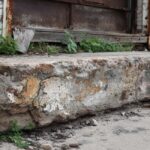
Not all cracks are created equal. Hairline surface cracks from shrinkage may be harmless, but larger, widening cracks often indicate deeper structural problems.
- Hairline Cracks – Typically cosmetic, caused by natural curing shrinkage.
- Settlement Cracks – Form when the ground beneath shifts or sinks.
- Structural Cracks – Large cracks that affect stability and safety.

In Canada’s freeze‑thaw climate, even small cracks can widen as water seeps in and freezes, expanding the gap. Left untreated, these cracks allow moisture to penetrate deeper, leading to spalling and rebar corrosion.
Uneven Or Sunken Dock Surface
An uneven dock surface isn’t just inconvenient — it’s dangerous. Soil settlement, frost heave, or poor compaction during installation can cause sections to sink.
Risks include:
- Forklift Damage – Uneven surfaces put extra strain on tires, suspensions, and hydraulic systems.
- Trip Hazards – Workers are at higher risk of slips, trips, and falls.
- Dock Plate Misalignment – Equipment and vehicles may not align properly with the dock height.
If your dock surface feels more like a mini‑rollercoaster than a flat workspace, it’s time for a professional assessment.
Spalling And Surface Deterioration
Spalling occurs when the surface of your concrete begins to flake, chip, or crumble. This is often caused by:
- Freeze‑thaw cycles.
- Heavy equipment impacts.
- Salt exposure from de‑icing agents.
The problem isn’t just surface‑level — once spalling starts, it can expose the steel reinforcement inside. When rebar rusts, it expands, causing more concrete to break apart.
Standing Water Or Poor Drainage
If puddles linger on your dock after rain or snowmelt, you’ve got a drainage problem. Standing water can:
- Soften the underlying soil, causing settlement.
- Accelerate freeze‑thaw damage.
- Increase slip hazards for workers.
In winter, that water will freeze, creating ice patches that make loading and unloading hazardous. Proper grading and drainage channels can prevent this damage.
Exposed Or Rusting Rebar
If you can see rusty steel rods poking through your dock, the damage is already severe. Concrete protects rebar from moisture and corrosion, but once it’s exposed:
- Rust expands, cracking the surrounding concrete.
- Structural strength is compromised.
- Repair costs increase significantly.
Immediate action is required to remove rust, replace damaged rebar, and restore the protective concrete cover.
Damaged Dock Edges Or Bumpers
Dock edges take the brunt of impacts from trucks and forklifts. Over time, you may notice:
- Chipped or crumbling edges.
- Loose or missing dock bumpers.
- Misaligned dock face.
Without bumpers in place, trucks can cause direct damage to the dock structure, accelerating wear.
Difficulty Aligning Trucks Or Equipment
If trucks no longer line up with your dock as smoothly as they used to, you might be dealing with a sinking or shifting structure. Misalignment can:
- Damage cargo.
- Slow down loading/unloading times.
- Increase the risk of accidents.
This is especially common in areas affected by frost heave or long‑term settlement.
Frequent Equipment Damage Or Malfunction
If your forklifts, pallet jacks, or dock levelers seem to be in the shop more often, your dock surface could be to blame. Uneven or broken surfaces cause unnecessary wear on equipment and increase maintenance costs.
Frost Heave Damage
In colder regions of Canada, frost heave is a leading cause of dock misalignment and cracking. When water in the soil beneath your dock freezes, it expands, lifting and distorting the concrete. When it thaws, the concrete settles unevenly.
Increased Loading/Unloading Time
Operational efficiency matters. If damaged dock surfaces cause delays in aligning vehicles, setting dock plates, or manoeuvring forklifts, your bottom line will take a hit. Even small delays add up over time.
Safety Incidents Or Near-Misses
Damaged docks increase the risk of injury from:
- Slips and trips.
- Equipment tipping.
- Falling cargo.
Under Canadian occupational health and safety regulations, employers must maintain safe working conditions — neglecting dock repairs could put you out of compliance.
Professional Assessment And Repair Options
When in doubt, call a qualified concrete repair company near you. Options may include:
- Patching – For small cracks and surface damage.
- Resurfacing – For widespread wear that hasn’t yet compromised structure.
- Full Replacement – For severely damaged or unsafe docks.
Preventive measures include sealing surfaces, installing proper drainage, and protecting edges with high‑impact bumpers.
Cost Of Delaying Repairs
The longer you wait, the more you’ll pay. Early intervention may cost a fraction of full replacement. Plus, many insurance providers expect regular maintenance — ignoring repairs could affect claims.
Conclusion
Your loading dock works hard every day. It’s the bridge between your operation and your customers, and when it’s compromised, your entire workflow is at risk. Recognizing the warning signs early and investing in timely repairs can save money, protect workers, and keep your business moving.
If you have any questions about our article, “Concrete Loading Dock Repair: Must-Know Telltale Signs You Need To Know Before It’s Too Late” or need concrete loading dock repair services contact us at 416-553-1307 or connect with us on social media.
Frequently Asked Questions
What Causes Concrete Loading Docks To Crack?
Cracks can result from heavy loads, freeze‑thaw cycles, soil settlement, or poor initial construction.
How Long Should A Well-Built Concrete Loading Dock Last?
With proper maintenance, 20–30 years is typical, even in harsh Canadian climates.
Can Small Cracks In My Loading Dock Be Ignored?
No. Small cracks can widen and allow water infiltration, leading to more costly repairs.
What Is The Best Time Of Year In Canada To Repair A Dock?
Late spring through early fall is ideal for concrete repairs in most regions.
How Do I Improve Drainage Around My Loading Dock?
Consider proper grading, installing drainage channels, or using sealants to repel water.
Is Spalling Dangerous Or Just Cosmetic?
Spalling can expose rebar, leading to structural damage. It’s more than cosmetic.
How Do I Protect My Dock From Winter Damage?
Seal cracks before winter, avoid excessive salt use, and keep drainage clear.
Can Dock Repairs Be Done Without Shutting Down Operations?
Yes, many repairs can be staged to minimize downtime. Discuss options with your contractor.
What’s The Difference Between Resurfacing And Replacing A Dock?
Resurfacing repairs the top layer, while replacement addresses structural failure.
How Often Should My Loading Dock Be Professionally Inspected?
At least once a year, and after any major weather events or heavy impact damage.