


![What To Do When Bollard Cracks And Falls [Bollard Repair]](https://marcrete.ca/wp-content/uploads/2026/04/What-To-Do-When-Bollard-Cracks-And-Falls-Bollard-Repair-150x150.png)




Microcement For Kitchens: Top Reasons Why Homeowners Add Microcement To Kitchens
Modern kitchens are evolving rapidly, and homeowners across Canada are searching for finishes that combine durability, luxury, and simplicity. One material that has exploded in popularity in recent years is microcement.
Once primarily used in high-end European homes and boutique commercial spaces, microcement has now become a sought-after option for modern kitchen renovations throughout Toronto, Vancouver, Montreal, Calgary, and other Canadian cities.
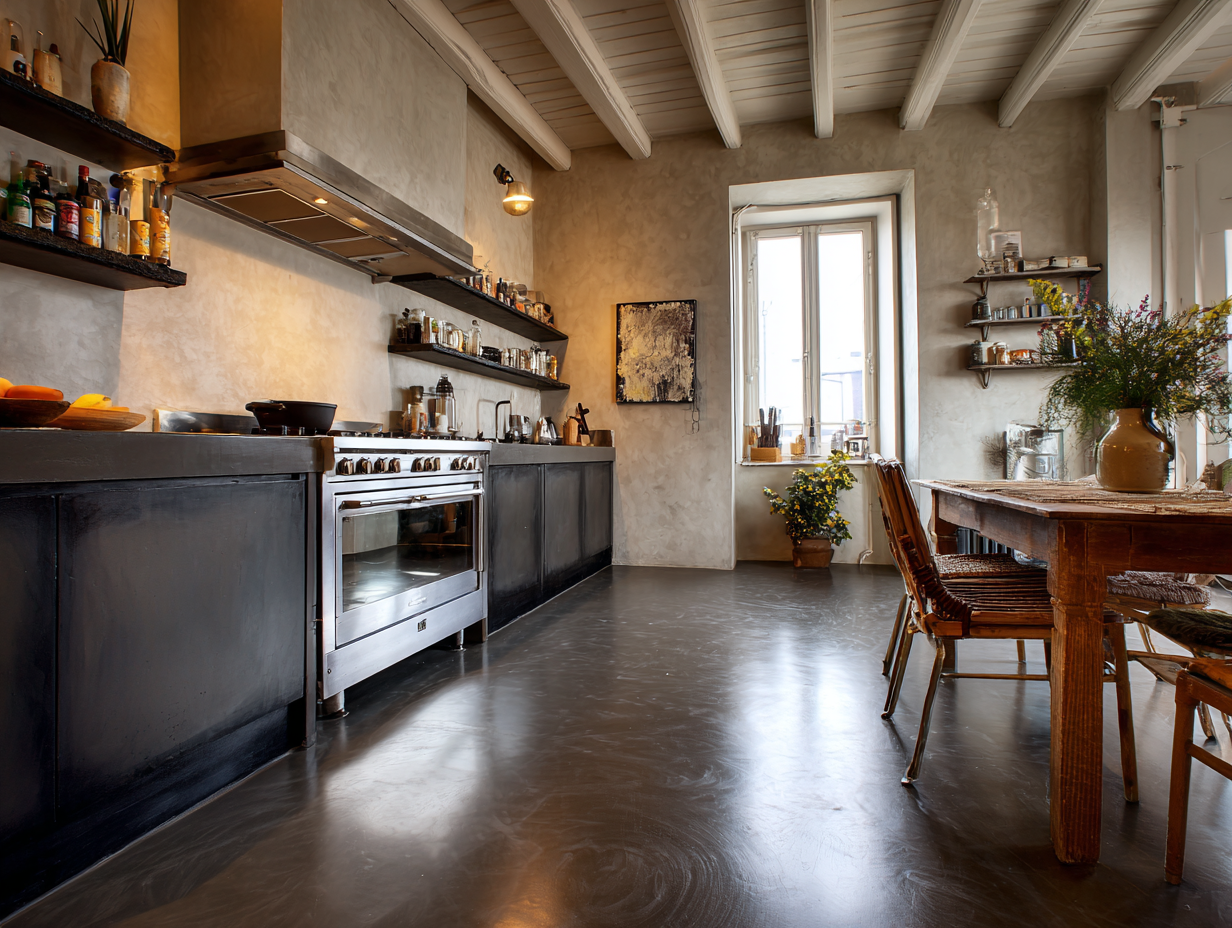
Homeowners love microcement because it creates a seamless, contemporary appearance while also offering impressive durability and low-maintenance performance. Unlike traditional tile surfaces filled with grout lines, microcement delivers a clean, continuous finish that instantly makes kitchens feel larger, brighter, and more luxurious.
Whether used on kitchen floors, walls, countertops, backsplashes, or islands, microcement offers a minimalist aesthetic that fits perfectly with today’s modern interior design trends.
Let’s get right into it!
What Is Microcement?
Microcement is a decorative cement-based coating made from a combination of cement, polymers, pigments, and fine aggregates. It is applied in thin layers, typically only 2–3 millimetres thick, over existing surfaces.
One of the biggest advantages of microcement is that it can often be installed directly over materials such as:
- Tile
- Concrete
- Drywall
- MDF
- Plaster
- Wood surfaces
Unlike traditional concrete, microcement does not require thick slabs or heavy demolition work. Its lightweight and flexible properties make it ideal for residential renovations, especially kitchens where homeowners want a modern upgrade without a complete teardown.
Microcement also creates a seamless surface without grout joints, which is one of the primary reasons it has become so popular in luxury kitchen design.
Why Microcement Kitchens Are Trending In Canada
Canadian homeowners are increasingly embracing minimalist and European-inspired interior design styles. Open-concept layouts, seamless finishes, and natural textures have become major trends in kitchen renovations.
Platforms like Pinterest, Instagram, and HGTV renovation shows have significantly influenced kitchen aesthetics over the last decade. Homeowners now prioritize clean lines, continuous surfaces, and modern materials that feel both timeless and functional.
Microcement checks all of those boxes.
Its soft industrial appearance works beautifully in both urban condos and luxury custom homes. Many designers also appreciate its ability to blend modern and rustic elements together seamlessly.
As homeowners continue searching for low-maintenance materials that still deliver a high-end appearance, microcement has emerged as one of the most attractive options on the market.
Seamless Design Creates A Modern Luxury Look
One of the biggest reasons homeowners choose microcement is its seamless appearance.
Traditional kitchens filled with grout joints can feel visually busy and difficult to maintain. Microcement eliminates these interruptions entirely, creating a smooth and continuous flow throughout the space.
This seamless finish offers several advantages:
- Makes smaller kitchens feel larger
- Creates a cleaner visual aesthetic
- Enhances modern minimalist designs
- Reduces visual clutter
- Improves overall design cohesion
Microcement can also be applied across multiple surfaces in the kitchen, including:
- Floors
- Countertops
- Kitchen islands
- Backsplashes
- Accent walls
Using the same finish across multiple areas creates a cohesive designer look that many luxury homeowners are now seeking.
Microcement Is Highly Durable For Busy Kitchens
Kitchens are among the busiest areas in any home. Between cooking, cleaning, foot traffic, spills, and heavy daily use, kitchen materials need to withstand constant wear and tear.
When professionally installed and sealed, microcement is highly durable and resistant to:
- Scratches
- Minor impacts
- Moisture
- Daily foot traffic
- Surface wear
Its flexibility also helps reduce the likelihood of cracking compared to traditional concrete surfaces.
According to renovation industry experts, properly maintained microcement surfaces can last well over 10 years while maintaining their appearance. The durability largely depends on proper installation, preparation, and sealing systems.
This is why working with experienced professionals is essential.
Waterproof And Moisture Resistant Properties
Moisture resistance is critical in kitchen environments.
Microcement systems are typically finished with high-performance sealers that help repel water and protect the surface from stains and moisture intrusion.
This makes microcement an excellent option for:
- Kitchen floors
- Countertops
- Backsplashes
- Sink areas
Unlike traditional tile installations, there are no grout lines that can absorb moisture, trap dirt, or develop mould over time.
The seamless nature of microcement significantly improves hygiene and simplifies maintenance, especially in high-moisture cooking environments.
Easy To Clean And Maintain
One of the most practical advantages of microcement kitchens is how easy they are to clean.
Because the surface is seamless, homeowners no longer need to spend time scrubbing grout joints or dealing with trapped grease and dirt buildup.
Most microcement kitchens can be cleaned using:
- Warm water
- Microfibre cloths
- Neutral pH cleaning products
This simplicity makes microcement especially appealing to busy families and homeowners who want a stylish kitchen without high-maintenance upkeep.
The absence of grout lines also helps reduce bacteria and mould growth, making microcement a hygienic solution for modern kitchens.
Heat Resistant Surface For Modern Kitchens
Microcement performs well in kitchens because it offers strong heat resistance when properly installed and sealed.
It can handle the heat generated near:
- Stovetops
- Ovens
- Cooktops
- Kitchen appliances
This makes it particularly popular for countertops and backsplashes.
While homeowners should still use trivets or heat pads for extremely hot cookware, microcement generally performs far better than laminate or lower-grade synthetic surfaces when exposed to heat.
Microcement Works With Many Kitchen Styles
Another major reason for microcement’s popularity is its incredible design versatility.
Microcement works beautifully with:
- Industrial kitchens
- Contemporary kitchens
- Scandinavian interiors
- Rustic kitchens
- Modern farmhouse designs
- Luxury minimalist homes
Popular colour choices in Canadian kitchens include:
- Warm greys
- Charcoal
- Beige
- Off-white
- Earth tones
- Soft concrete finishes
Microcement also pairs exceptionally well with:
- Natural wood cabinetry
- Black hardware
- Brass fixtures
- Stone accents
- Matte black appliances
This flexibility allows homeowners to customize their kitchens while maintaining a timeless appearance.
Renovating Kitchens Without Major Demolition
Kitchen renovations are often stressful, expensive, and messy.
One reason homeowners love microcement is that it can frequently be applied directly over existing surfaces, reducing the need for extensive demolition work.
This provides several advantages:
- Faster renovation timelines
- Lower labour costs
- Less dust and debris
- Reduced landfill waste
- Minimal disruption to the home
Overlay renovations have become increasingly popular in Canada because homeowners want modern upgrades without the inconvenience of full structural renovations.
Microcement fits perfectly into this growing trend.
Microcement Countertops Are Growing In Popularity
Microcement countertops have become one of the hottest trends in luxury kitchen design.
Unlike traditional countertops with visible seams or joints, microcement creates a handcrafted, continuous appearance that feels modern and artistic.
Benefits include:
- Seamless integrated look
- Modern matte finishes
- Custom colour options
- Waterproof sealing systems
- Unique artisan appearance
Many homeowners also appreciate the softer, warmer visual texture compared to polished stone surfaces.
Microcement Flooring Creates Visual Flow
Open-concept homes continue to dominate modern Canadian architecture.
Microcement flooring helps enhance these layouts by creating continuous visual flow between kitchens, dining rooms, and living spaces.
This uninterrupted flooring style can make homes feel:
- Larger
- More cohesive
- More modern
- More luxurious
Slip-resistant sealers can also be added for additional safety in kitchen environments.
Microcement flooring works particularly well with radiant heating systems, which are increasingly popular in Canadian homes due to cold winter climates.
Eco-Friendly Benefits Of Microcement
Sustainability is becoming more important in modern renovations.
Microcement offers several environmentally friendly benefits:
- Reduces demolition waste
- Requires fewer raw materials
- Allows existing surfaces to remain in place
- Creates less landfill waste
- Minimizes heavy material transportation
By applying directly over existing surfaces, homeowners can reduce the environmental impact of large-scale kitchen renovations.
This sustainability appeal is becoming increasingly important to environmentally conscious Canadian homeowners.
Potential Drawbacks Homeowners Should Know
While microcement offers many benefits, homeowners should also understand its limitations.
Potential drawbacks include:
- Professional installation is essential
- Improper application may lead to cracking
- Repairs can sometimes be visible
- Resealing is required periodically
- Costs may be higher than basic tile installations
Microcement is not considered a beginner DIY material. Surface preparation, layering techniques, and sealing systems all require specialized expertise.
Hiring an experienced installer is one of the most important factors in achieving long-lasting results.
How Much Does A Microcement Kitchen Cost?
The cost of a microcement kitchen varies depending on several factors:
- Kitchen size
- Surface preparation requirements
- Complexity of the design
- Custom colour selections
- Floors versus countertops
- Existing substrate conditions
Luxury artisan finishes and custom textures typically increase pricing.
While microcement can cost more upfront than some traditional materials, many homeowners view it as a premium long-term investment due to its aesthetics, durability, and low maintenance.
How Long Does Microcement Last In Kitchens?
With proper care and professional installation, microcement kitchens can last many years.
Homeowners can maximize lifespan by:
- Cleaning with gentle products
- Avoiding harsh chemicals
- Resealing surfaces periodically
- Preventing heavy impact damage
Routine maintenance is relatively simple compared to many traditional kitchen finishes.
Is Microcement Better Than Tile For Kitchens?
Microcement and tile both offer advantages, but many homeowners now prefer microcement for its seamless appearance and modern design flexibility.
Advantages of microcement over tile include:
- No grout lines
- Easier cleaning
- Modern aesthetic
- Faster renovation potential
- Continuous visual flow
Tile may still appeal to homeowners seeking highly patterned designs or lower initial costs.
However, for luxury contemporary kitchens, microcement continues gaining popularity rapidly.
Final Thoughts
Microcement has transformed modern kitchen design by combining durability, elegance, and practicality into one seamless material.
Homeowners across Canada are increasingly choosing microcement because it delivers:
- Modern luxury aesthetics
- Seamless surfaces
- Low-maintenance performance
- Water resistance
- Design versatility
- Long-lasting durability
Whether used for floors, countertops, backsplashes, or full kitchen renovations, microcement creates a sophisticated contemporary look that works beautifully in both minimalist and rustic interiors.
As more homeowners prioritize clean design and functional living spaces, microcement will likely continue becoming one of the most popular kitchen renovation materials in Canada.
FAQs
What Is Microcement Made Of?
Microcement is typically made from cement, polymers, pigments, resins, and fine aggregates that combine to create a thin decorative coating.
Is Microcement Waterproof In Kitchens?
When professionally sealed, microcement becomes highly water resistant and performs very well in kitchen environments.
Does Microcement Crack Easily?
Properly installed microcement is flexible and durable. Cracking usually occurs when installation or substrate preparation is done incorrectly.
How Long Does Microcement Last?
With proper maintenance and sealing, microcement surfaces can last well over a decade.
Can Microcement Be Applied Over Existing Tile?
Yes. One major advantage of microcement is that it can often be applied directly over existing tile surfaces.
Is Microcement Good For Kitchen Countertops?
Yes. Microcement countertops are popular because they offer seamless modern aesthetics and durable waterproof performance.
Is Microcement Difficult To Maintain?
No. Microcement is relatively low maintenance and typically only requires gentle cleaning products and occasional resealing.
How Much Does A Microcement Kitchen Cost In Canada?
Pricing varies depending on kitchen size, complexity, and surface preparation requirements. Custom artisan finishes generally cost more.
Does Microcement Stain Easily?
Properly sealed microcement is stain resistant, although spills should still be cleaned promptly to maintain the surface.
Is Microcement Better Than Tile For Kitchens?
Many homeowners prefer microcement because it eliminates grout lines and creates a seamless modern appearance that is easier to maintain.
If you have any questions about our article “Microcement For Kitchens: Top Reasons Why Homeowners Add Microcement To Kitchens” or need microcement for your kitchen contact us at info@marcrete.ca or connect with us on social media.