


![What To Do When Bollard Cracks And Falls [Bollard Repair]](https://marcrete.ca/wp-content/uploads/2026/04/What-To-Do-When-Bollard-Cracks-And-Falls-Bollard-Repair-150x150.png)



Why Concrete Is The Best Material For Your New Patio
Creating an outdoor living space that is both functional and aesthetically pleasing is a goal for many homeowners.
Patios play a crucial role in outdoor entertainment, relaxation, and overall enjoyment of the home environment. While there are various materials available for constructing patios, including wood, stone, and brick, concrete stands out as the best option for numerous reasons.
This article will delve into why concrete is the superior material for your new patio, supported by facts, statistics, and practical insights.
Let’s get right into it.
Versatility Of Concrete
Concrete’s versatility is one of its most appealing features. It can be moulded into almost any shape and can mimic other materials such as stone, brick, or even wood through various finishing techniques.
Various finishes and textures available:
- Stamped Concrete: This technique allows concrete to replicate the appearance of other materials like stone, brick, or slate. It involves pressing patterns into the concrete before it sets.
- Stained Concrete: Staining adds rich, deep tones to concrete, offering a range of colours that can enhance any patio design.
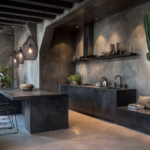
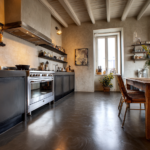
- Polished Concrete: This finish provides a sleek and modern look, ideal for contemporary outdoor spaces.
Customization options: Concrete can be customized in terms of colour, pattern, and texture, allowing homeowners to create a unique and personalized patio that complements their home’s architecture and landscape.
For example, integral colouring can be mixed into the concrete to achieve uniform colour throughout, while surface treatments like acid staining or water-based stains can add a decorative touch.
Durability And Longevity
One of the primary reasons to choose concrete for your patio is its unmatched durability and longevity. Concrete is known for its ability to withstand heavy use and harsh weather conditions without significant deterioration.
Comparison with other materials:
- Wood: While wood offers a natural look, it is prone to rot, insect damage, and requires frequent maintenance.
- Stone: Stone is durable but can be expensive and challenging to install.
- Brick: Brick patios can shift and settle over time, leading to uneven surfaces and potential trip hazards.
Concrete, on the other hand, offers a robust and enduring solution. According to the Portland Cement Association, concrete can last up to 30 years or more with proper maintenance, significantly outlasting other materials.
Low Maintenance Requirements
Concrete patios require minimal maintenance compared to other materials. Regular cleaning and occasional sealing are typically all that is needed to keep a concrete patio in excellent condition.
Routine cleaning and sealing processes:
- Cleaning: Simply sweeping and washing the surface with mild detergent and water can keep it looking new.
- Sealing: Applying a concrete sealer every few years helps protect the surface from stains, moisture, and wear.
Cost-effectiveness of low maintenance: The low maintenance requirements of concrete translate to cost savings over time. Unlike wood, which may need annual staining or sealing, concrete’s occasional maintenance makes it a more economical choice in the long run.
Cost-Effectiveness
Concrete is not only durable and low-maintenance but also cost-effective. The initial cost of concrete is typically lower than that of natural stone or brick, making it an attractive option for budget-conscious homeowners.
Initial cost comparison:
- Concrete: On average, the cost of installing a concrete patio ranges from $10 to $15 per square foot, depending on the complexity of the design and the finish chosen.
- Natural Stone: The cost can range from $25 to $50 per square foot, making it significantly more expensive.
- Brick: Installing a brick patio can cost between $14 and $20 per square foot.
Long-term savings: Given its durability and low maintenance requirements, concrete offers significant long-term savings. Homeowners can expect fewer repairs and replacements over the years, adding to the overall cost-effectiveness of choosing concrete.
Environmental Benefits
Concrete is also an environmentally friendly option. The production of concrete involves the use of abundant and natural materials, and innovations in the industry have led to more sustainable practices.
Use of sustainable materials: Modern concrete production often incorporates recycled materials such as fly ash or slag cement, reducing the environmental impact. Additionally, some manufacturers use energy-efficient processes and renewable energy sources.
Energy efficiency in concrete installation: Concrete’s thermal mass properties help regulate temperature, reducing the need for heating and cooling. This can be particularly beneficial in creating comfortable outdoor living spaces.
Reduced environmental impact: Compared to wood, which involves deforestation, and synthetic materials that can produce harmful byproducts, concrete is a more sustainable choice. Furthermore, concrete’s longevity means fewer resources are needed for replacements and repairs.
Weather Resistance
Concrete’s resilience to various weather conditions makes it an ideal choice for patios. Whether it’s scorching summer heat or freezing winter temperatures, concrete can withstand the elements without significant damage.
Performance in various weather conditions: Concrete is highly resistant to temperature fluctuations, heavy rainfall, and UV exposure. This resistance helps prevent common weather-related damages such as cracking, warping, or rotting.
Prevention of common weather-related damages:
- Cracking: Properly mixed and cured concrete is less likely to crack compared to other materials.
- Warping: Unlike wood, concrete does not warp under extreme temperature changes.
- Rotting: Concrete is impervious to rot and insect damage, unlike wooden patios.

Safety Features
Safety is a crucial consideration for any outdoor living space. Concrete patios can be designed to include several safety features, making them a practical choice for families and entertaining guests.
Slip-resistant finishes: Concrete can be finished with textures that provide slip resistance, reducing the risk of accidents, especially when the surface is wet.
Heat reflection properties: Concrete surfaces can be treated to reflect heat, keeping the patio cooler and more comfortable during hot weather.
Safe for heavy foot traffic and outdoor furniture: Concrete’s durability makes it capable of handling heavy foot traffic and supporting outdoor furniture without sinking or shifting, unlike softer materials such as wood or composite decking.
Installation Process
Understanding the installation process can help homeowners appreciate the value and craftsmanship involved in creating a concrete patio.
Overview of the concrete patio installation process:
- Planning and Design: This initial step involves designing the patio layout and choosing the desired finishes.
- Site Preparation: The area is cleared and levelled, with forms set up to define the patio’s shape.
- Pouring the Concrete: Concrete is mixed, poured, and spread evenly within the forms.
- Finishing: Techniques such as stamping, staining, or polishing are applied.
- Curing: The concrete is left to cure, ensuring it reaches full strength and durability.
Timeline from preparation to completion: Typically, a concrete patio project can be completed in 1 to 2 weeks, depending on the size and complexity of the design.
Benefits of professional installation versus DIY: While DIY projects can be cost-saving, professional installation ensures proper mixing, pouring, and finishing, which are crucial for the patio’s longevity and performance. Professionals also have the expertise to handle unexpected issues and ensure compliance with local building codes.
Aesthetic Appeal
Concrete patios can significantly enhance the aesthetic appeal of outdoor spaces, offering endless design possibilities.
Enhancing outdoor spaces with decorative concrete: Decorative techniques such as stamping, staining, and engraving allow homeowners to create unique and attractive patio designs that complement their home’s exterior.
Integration with landscape and architectural style: Concrete can be tailored to blend seamlessly with the surrounding landscape and architectural style, whether it’s a modern, rustic, or traditional home.
Examples of aesthetically pleasing concrete patio designs:
- Modern Design: Polished concrete with clean lines and a minimalist approach.
- Rustic Design: Stamped concrete mimicking natural stone or wood.
- Traditional Design: Classic grey concrete with simple textures and patterns.
Flexibility In Design And Use
Concrete patios offer remarkable flexibility in both design and use, making them suitable for various purposes.
Concrete patios for various uses: Concrete patios can be designed for different functions, such as entertaining guests, outdoor dining, or relaxing with family.
Flexibility in size and shape: Concrete can be poured into any shape and size, making it adaptable to different yard layouts and available space.
Adaptability to different landscaping elements: Concrete patios can be easily integrated with landscaping features such as garden beds, water features, or outdoor kitchens, enhancing the overall functionality and appeal of the outdoor space.
Conclusion
Choosing the right material for your patio is crucial for ensuring its longevity, functionality, and aesthetic appeal. Concrete stands out as the best material due to its versatility, durability, low maintenance requirements, cost-effectiveness, environmental benefits, weather resistance, and safety features. By opting for concrete, homeowners can create a beautiful, durable, and low-maintenance patio that enhances their outdoor living experience.
FAQs About Concrete Patios
Is concrete the most durable material for patios?
- Yes, concrete is highly durable and can last for decades with proper maintenance, outlasting materials like wood and brick.
How much does it cost to install a concrete patio?
- The average cost ranges from $10 to $15 per square foot, depending on design complexity and finish.
How often does a concrete patio need to be sealed?
- It’s recommended to seal a concrete patio every 2-3 years to protect it from stains and weather damage.
Can concrete patios be customized in terms of colour and design?
- Yes, concrete can be customized with various colours, patterns, and finishes to match any aesthetic preference.
Are concrete patios eco-friendly?
- Yes, concrete production often includes recycled materials and energy-efficient processes, making it a sustainable choice.
What maintenance is required for a concrete patio?
- Regular cleaning and occasional sealing are typically all that’s needed to maintain a concrete patio.
How does concrete perform in extreme weather conditions?
- Concrete is highly resistant to extreme weather, including temperature fluctuations, heavy rainfall, and UV exposure.
Can concrete patios be made slip-resistant?
- Yes, slip-resistant finishes can be applied to improve safety, especially in wet conditions.
Is professional installation necessary for a concrete patio?
- While DIY is possible, professional installation ensures proper techniques and longevity, reducing the risk of issues.
How long does it take to install a concrete patio?
- The installation process typically takes 1 to 2 weeks, depending on the size and complexity of the project.
References
Additional Resources
This comprehensive article outlines the myriad benefits of choosing concrete for your new patio, providing evidence-based insights and practical advice to help homeowners make an informed decision.
If you have any questions about our article, “Why Concrete is the Best Material for Your New Patio” or need concrete services for patio installation contact info@marcrete.ca or chat with us on social media.