


![What To Do When Bollard Cracks And Falls [Bollard Repair]](https://marcrete.ca/wp-content/uploads/2026/04/What-To-Do-When-Bollard-Cracks-And-Falls-Bollard-Repair-150x150.png)




Microcement Is Taking Over Toronto’s Design, Here’s How To Get Rock Walls For Your Home Or Office
By: Marcrete Concrete Contractors Toronto
Toronto’s design landscape is shifting. Gone are the days of tile-heavy bathrooms and glossy epoxy floors.
The new favourite among designers, architects, and homeowners alike? Microcement, the sleek, seamless finish redefining modern interiors.
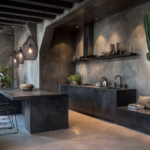
With its sculptural textures and urban minimalism, microcement has become a defining feature in the city’s trendiest homes, lofts, and commercial spaces.
Let’s get right into it!
What Is Microcement?
Microcement is a thin, decorative coating made from cement, water-based resins, pigments, and minerals.
Unlike traditional concrete, it’s applied in layers only two to three millimetres thick, meaning it can cover existing materials like tile, drywall, wood, and even metal without demolition.
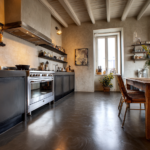
The result is a smooth, seamless surface that looks elegant and feels contemporary. Its flexibility and strength make it ideal for both residential and commercial applications, from bathroom walls to kitchen counters and showroom floors.
Originally popularized in Europe, microcement is now taking over Toronto’s interiors for its modern aesthetic and sustainable properties.
Why Toronto Designers Love Microcement
Toronto’s design culture thrives on innovation — a mix of industrial, Scandinavian, and minimalist influences. Microcement fits right in. It offers the soft, tactile beauty of polished stone but without the weight, grout, or high maintenance.
Designers love its adaptability. It can be trowelled into organic shapes or ultra-sleek surfaces, giving freedom to experiment with light, texture, and geometry. The neutral tones — greys, whites, taupes — complement the city’s love for understated sophistication.
Architects are also drawn to its seamlessness. No joints or lines mean visual continuity, making even small condos appear more spacious — a huge perk in Toronto’s urban real estate market.
What Are The Benefits Of Microcement Over Other Materials?
Microcement’s rise isn’t just about looks — it’s a functional revolution too.
- Seamless Aesthetic: It eliminates grout lines, creating a monolithic, sculptural look.
- Durability: Despite its thinness, it’s resistant to cracks, scratches, and everyday wear.
- Waterproof: When sealed properly, microcement performs beautifully in bathrooms and kitchens.
- Underfloor Heating Compatibility: It’s thermally conductive, perfect for Toronto’s cold months.
- Customizable Finish: Choose matte, satin, or glossy textures to match your design vision.
- Eco-Friendly Options: Many microcement systems are low-VOC and contribute to green building standards.
According to Architectural Digest Canada, demand for seamless materials in high-end interiors has grown by over 45% in the past five years, with microcement leading the charge.
Microcement In Modern Toronto Homes
Homeowners are embracing microcement as a statement finish that merges art and functionality. It’s now seen in luxury bathrooms, accent walls, fireplaces, staircases, and even outdoor patios.
The aesthetic complements Toronto’s growing appetite for minimalist, airy interiors — think neutral palettes, wood tones, and soft ambient lighting.
Designers often combine microcement with materials like oak, brass, and linen for a tactile balance between raw and refined.
Popular hues in 2025 include warm greys, greige, and chalky white, often paired with curved walls or floating shelves to create fluid spaces that feel calm and architectural.

Microcement In Commercial And Hospitality Design
Step into a new restaurant in downtown Toronto or a boutique on Queen Street, and chances are you’ll see microcement. Business owners love its durability and design flexibility — it can withstand heavy foot traffic and adds a premium finish that elevates brand perception.
Cafés, galleries, and wellness studios also use microcement for its calm, monolithic appeal. It’s a favourite among sustainable hospitality designers because it ages gracefully and requires minimal upkeep.
In the competitive commercial scene, microcement has become synonymous with contemporary luxury that doesn’t try too hard.
Cost, Installation, And Long-Term Value
Microcement sits in the mid-to-high range of finishing materials. In Toronto, professional application costs $18 to $30 per square foot, depending on surface type and complexity.
While that may be higher than tile or laminate, it pays off long-term. It’s exceptionally durable, resistant to fading, and adaptable to future design changes — simply sand and reseal for a refreshed look.
Installation involves multiple layers: a primer, base coat, finishing layers, and a protective sealer. The entire process usually takes 4–6 days and requires professional expertise for optimal results.
Sustainability And Eco-Friendly Appeal
Toronto homeowners are increasingly prioritizing sustainability. Microcement aligns with that ethos. It’s a low-waste material that emits little to no VOCs and can last decades without replacement.
Because it can be applied directly over existing surfaces, it reduces demolition waste — a major advantage in environmentally conscious renovations.
Many manufacturers, such as Topciment and Ecocrete Canada, offer water-based formulations that meet LEED and WELL building standards.
Toronto Design Trends Fuelled By Microcement
The microcement boom coincides with Toronto’s larger design trends: open concepts, neutral palettes, and nature-inspired minimalism.
Designers use it to achieve the “quiet luxury” aesthetic — subtle, tactile, and timeless.
Social media has amplified its visibility. On Pinterest and Instagram, #microcementtoronto posts have grown exponentially, showing everything from curved shower walls to entire kitchens in matte cement tones.
Even AI-powered design tools like Midjourney and Morpholio Board now feature microcement presets, influencing a new generation of Canadian interior designers.
How To Get Microcement In Your Home Or Office
Step 1: Evaluate Your Space
Before you commit, assess which areas of your home or office would benefit most. Microcement is ideal for:
- Bathrooms: waterproof and stylish
- Floors: seamless and easy to clean
- Kitchens: can be used on counters, backsplashes, or even cabinets
- Feature Walls: adds texture and architectural presence
- Commercial Spaces: ideal for boutiques, lobbies, and conference rooms
If your space has existing tiles, concrete, or stable drywall, microcement can usually be applied directly over it — saving demolition costs.
Step 2: Understand The Application Process
A proper microcement installation typically involves the following stages:
- Surface Preparation: The existing surface must be stable, clean, and free of moisture. Any cracks or unevenness are patched and sanded.
- Priming: A bonding primer ensures adhesion between the substrate and the microcement layers.
- Base Coats: Usually two layers of base microcement are applied to build strength.
- Finishing Layers: These determine the texture and final look — matte, satin, or gloss.
- Sealing: The surface is sealed with polyurethane or acrylic to make it waterproof and stain-resistant.
The entire process takes about 4 to 6 days, depending on the project size. For larger office spaces or multi-room homes, the contractor may phase the work to minimize disruption.
Step 3: Choose The Right Microcement System
Not all microcement products are created equal. Look for professional-grade systems such as:
- Topciment® (Spain) – known for consistency and colour stability
- Pandomo® (Germany) – highly refined textures
- Ideal Work® (Italy) – great for decorative applications
- Ecocrete Canada® – VOC-free, designed for Canadian climate conditions
Your contractor should explain which system they use and why — especially if the space has high humidity (bathrooms, basements) or heavy traffic (office floors).
Step 4: Decide On Your Design And Finish
One of the most exciting parts of using microcement is choosing the look. The options are endless:
- Matte Stone: Natural and warm, perfect for residential interiors.
- Polished Concrete: Reflective and industrial — ideal for modern offices.
- Textured Surface: Adds movement and character to feature walls.
- Coloured Finish: Think beyond grey — soft beige, graphite, taupe, and even blush tones are trending.
Lighting also plays a huge role. Microcement interacts beautifully with natural light and accent fixtures, subtly changing tone throughout the day.
Step 5: Find The Right Contractor
Here’s where most people make or break their project. Microcement looks simple — but it’s a true artisan’s craft. The right installer can make it look like luxury stone; the wrong one can make it look like patchy concrete.
What To Look For In A Contractor
- Experience: Ask how long they’ve been working with microcement specifically, not just general plaster or concrete.
- Portfolio: Request photos or videos of completed projects, ideally with different finishes and colours.
- Training & Certification: Reputable contractors often train with international brands like Topciment or Ideal Work.
- Reviews & Testimonials: Look for consistent positive feedback and before/after images.
- Site Visit: A professional should inspect your surfaces before quoting.
- Warranty: Quality contractors typically offer warranties on both materials and workmanship.
Red Flags To Avoid
- They can’t tell you what product they’re using.
- They offer a quote over the phone without visiting the site.
- They say “it’s just like paint” (it’s not).
- No written contract or deposit structure.
Step 6: Compare Quotes And Quality
Microcement pricing in Canada generally ranges between $18 and $30 per square foot, depending on complexity, prep work, and design. Avoid basing your decision solely on cost — the skill of application and quality of materials make a significant difference in longevity and appearance.
It’s also wise to ask for a small sample board. Most professionals can create a 12×12” mock-up showing the colour and finish before starting your full project.
Step 7: Maintenance And Aftercare
Once your microcement is installed, maintaining it is blissfully simple:
- Clean with pH-neutral soap and water — avoid harsh chemicals.
- Use felt pads on furniture to prevent scratches.
- Reseal high-traffic areas every 4–5 years to refresh the surface.
- Avoid standing water for long periods in unsealed outdoor areas.
With proper care, microcement can last 15–25 years or more, ageing beautifully over time.
How To Find A Trustworthy Microcement Contractor In Canada
Finding the right specialist is part art, part research. Here are some top strategies:
Use Reputable Platforms
Check Houzz, Homestars, or Google Business Profiles to search for microcement professionals in your area. Filter by location (e.g., “Toronto Microcement Contractor”) and look for high-rated profiles with multiple project galleries.
Ask For Referrals
Interior designers, architects, and renovation firms often have trusted artisans they collaborate with. Word-of-mouth recommendations are gold in the world of bespoke finishes.
Visit A Showroom
Companies like Moderne Element Studio, Surfaceform, or Vasari Canada often have physical showrooms where you can touch real samples and speak with experts.
Compare More Than Price
When interviewing contractors, focus on process, materials, and experience. The cheapest quote can often cost the most in repairs later.
Ask About Moisture And Climate
Toronto’s humidity and temperature shifts can affect plaster performance. A skilled installer will use climate-appropriate primers and sealers to prevent cracking or delamination.
Conclusion
Microcement’s rise in Toronto isn’t a passing fad — it’s a design evolution. With its seamless texture, minimalist beauty, and sustainable appeal, it perfectly embodies the direction of modern architecture and urban living.
Whether you’re a homeowner, architect, or developer, microcement offers a canvas for creativity that’s as durable as it is beautiful.
In a city that thrives on innovation and design integrity, it’s no surprise microcement is taking over Toronto — one wall, one floor, one masterpiece at a time.
If you have any questions about our article “Microcement Is Taking Over Toronto’s Design, Here’s How To Get Rock Walls For Your Home Or Office“ or need microcement services, contact us at info@marcrete.ca or connect with us on social media.
Frequently Asked Questions
What Is Microcement Made Of?
It’s a blend of cement, water-based resins, and pigments that create a durable, decorative coating.
Is Microcement Waterproof?
Yes, when sealed correctly, it’s fully waterproof and ideal for bathrooms, kitchens, and showers.
Can Microcement Be Used Outdoors?
Absolutely. With proper sealing, it performs well on patios and exterior walls, even in Canada’s variable climate.
How Long Does Microcement Last?
It can last over 15 years with proper installation and care.
Can Microcement Go Over Tiles?
Yes. It can be applied directly over tile, concrete, or drywall with the right preparation.
Is Microcement Expensive?
It’s more costly than paint but cheaper than natural stone or terrazzo, offering strong value for its design and durability.
What Colours Are Available?
Microcement comes in virtually any shade — from warm neutrals to custom metallic or concrete tones.
Is Microcement Eco-Friendly?
Yes, it’s low-VOC, long-lasting, and reduces construction waste since it’s applied over existing surfaces.
Can It Be Used With Heated Floors?
Yes. Its thermal conductivity makes it ideal for underfloor heating systems.
Does Microcement Crack Easily?
When properly installed on a stable substrate, microcement resists cracking and remains flexible under normal conditions.